Clearer product story
Visitors understand what the product does, who it helps, and why it matters without needing a demo first.
- Homepage strategy
- Message clarity
- Use case framing
- Feature hierarchy
Raze is a SaaS web design agency for B2B software companies that need clearer product storytelling, stronger trust, and a better path from attention to demos, signups, and pipeline.
Show us where your website undersells your product. We will review it before your 30-minute working session.
Trusted by ambitious software teams building sharper stories, stronger pages, and cleaner growth systems.
Clarify the product story, structure the right pages, and build a website that helps buyers move from interest to action.
Visitors understand what the product does, who it helps, and why it matters without needing a demo first.
The site builds confidence with better proof, clearer structure, and a more credible buying experience.
Pages are built to support the specific actions the software business actually depends on.
The site becomes easier to extend across feature pages, campaigns, SEO pages, and future launches.
These are the signs that the website is underselling the product, confusing buyers, or making growth campaigns work too hard.
Complex products need clearer structure and sharper narrative, not more noise.
The site may be getting attention, but the message and UX are not turning enough of it into pipeline.
New features, product shifts, and category moves need pages that match the moment.
Founders and marketers often need a senior team that can move from strategy to shipped work quickly.
Software growth depends on new pages, sharper content, and faster iteration. The site should support that.
Identify where the product story, proof, or page flow is creating friction.
Lock the narrative, page priorities, and the actions the website should drive.
Prioritize homepage, product, solution, feature, and conversion pages first.
Use real traffic, campaigns, and sales feedback to keep improving what matters.
A software website should make the product easier to buy before the conversation even starts.
The outcome should be clearer positioning, more credible product presentation, and stronger paths into demos, trials, or sales conversations.
Faster clarity
Buyers understand the product sooner.
Stronger confidence
The business feels more credible earlier in the journey.
More qualified action
The site supports demos, signups, and sales readiness better.
More leverage
The website becomes easier to expand across growth channels.
Best for software companies with a proven product and a website that no longer supports the company, category, or growth motion.
For software teams that need the product explained with more clarity and less friction.
For software companies that need a site ready for SEO, campaigns, launches, and outbound support.
For founders and marketers who need senior help without a slow, oversized agency process.
“I've worked with a lot of designers. Edin and Mergim are the only ones who never made me trade speed for quality. They shipped across GrowthX and our client work and never once became the bottleneck.”

Jason Gong, VP GTM
GrowthX
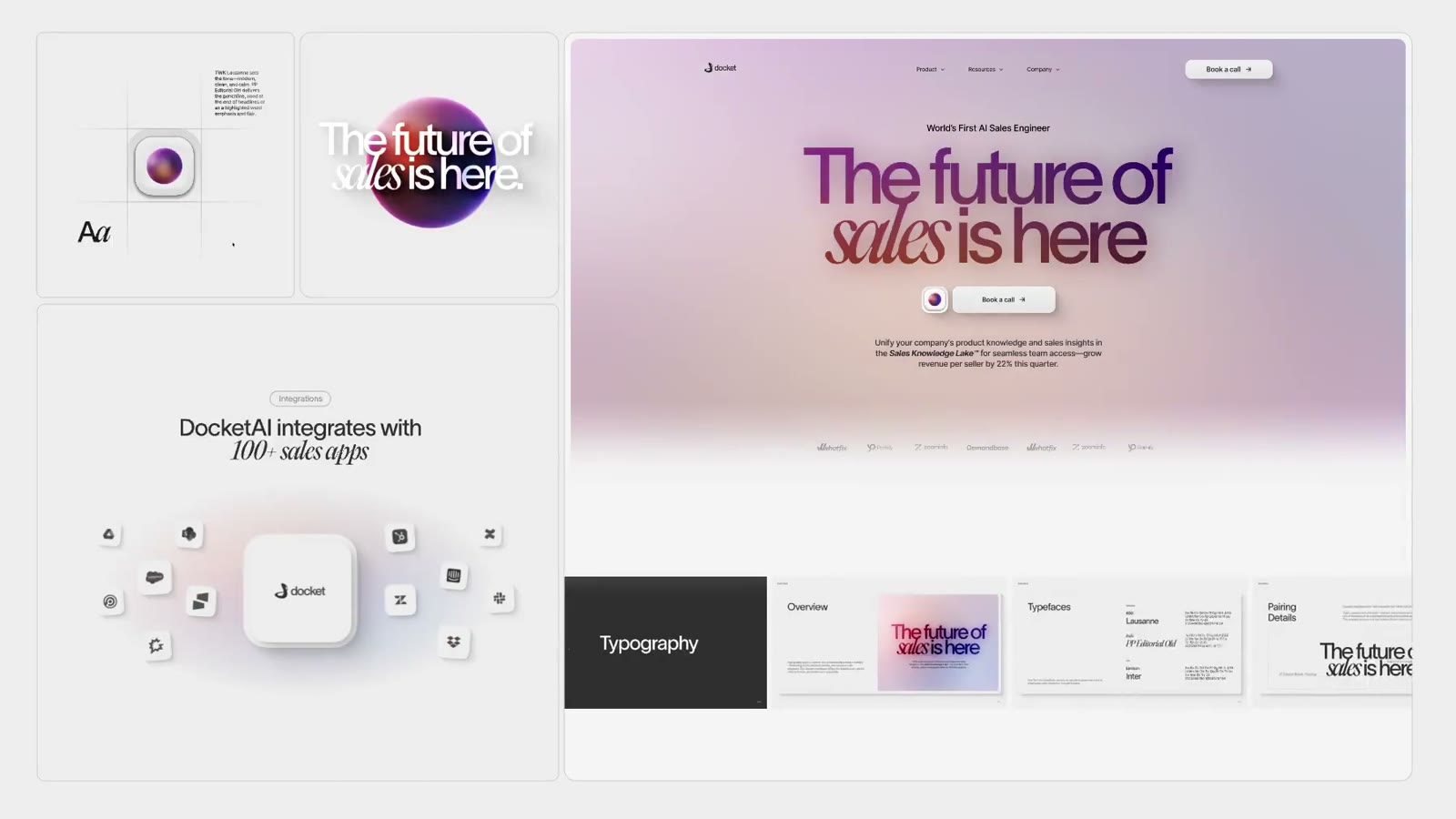
“We needed Docket to look like an AI company you'd trust, not another startup with a gradient and a promise. Raze got us there fast, stayed direct, and never let the project wander.”

Arun Lal, SVP of Marketing
Docket AI
“Edin and Mergim ran Emotive's marketing site for years. Not a one-off project, the actual site. It always looked a step ahead of where the company actually was, which is exactly what you want your website doing.”

Brian Zatulove, CEO
Emotive
“Raze rebuilt our site and it was the rare project where I never had to chase anyone. They understood the technical side, sweated the details, and shipped before I expected it.”

Ty Magnin, CEO
Animalz
The things every client asks us on the first call.
A SaaS web design agency improves product storytelling, UX, structure, and conversion paths so a software company can explain the offer faster and drive more qualified next steps.
SaaS websites usually need to explain more. They have to communicate the product, the use case, the trust signals, and the next step with much less friction.
Yes. Raze does not treat the website as a visual layer only. The work starts with the story, page priorities, and conversion flow, then moves into design.
No. We can support homepage strategy, product and feature pages, solution pages, landing pages, and broader site systems depending on scope.
Yes, depending on what the team needs. Some engagements are strategy and design only, while others include build and launch support.
Yes. It is especially useful for teams that need clearer positioning and a stronger website before the next growth stage.
Timing depends on scope and how quickly your team can provide product context, proof, and feedback. A focused homepage or small marketing site moves faster than a large site with many templates, integrations, and migration requirements.
Yes. Raze handles strategy, copy, design, and development, which keeps the finished site close to the approved direction. It also lets us solve performance, responsiveness, and interaction details during design instead of after handoff.
Often, yes. We review the current stack, component quality, editing needs, and technical debt before recommending whether to extend it or rebuild selected parts. The decision should follow the site requirements, not our preference for a particular tool.